
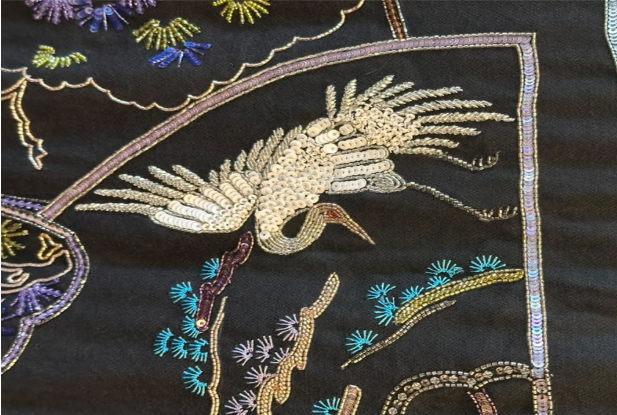
In 2023, India’s government gave zardozi, the gold-thread hand embroidery that once decorated Mughal emperor Akbar’s court garments in the 16th century, an official Geographical Indication tag, the same kind of protected status Champagne or Darjeeling tea carries (AIACA). That is not a small thing. It means the craft was formally recognized as tied to a specific place and technique that cannot be copied and sold under the same name.
A single zardozi piece typically takes 3 to 20 days and involves 2 to 5 skilled karigars working the same fabric at once, each handling a different part of the design (AIACA). When you are looking for a luxury shawl brand made by Indian artisans, that is the labor sitting underneath the price tag. Not a markup, but hours of work by people whose families have often done this for generations.
What sets a real hand embroidery India brand apart
A lot of brands say handmade in India the way others say artisanal, as a mood, not a fact. A genuine hand embroidery India brand can usually tell you the specific technique (zardozi, aari, or a regional variant), roughly how many karigars worked on a piece, and where the atelier is based. If a brand can only offer vague language about tradition and heritage with no specifics, that is worth noticing.
An artisan-made shawl heritage brand also tends to price differently than fast fashion, because it has to. Real zardozi uses metallic thread, hand-set beads, and days of skilled labor per piece, costs that cannot be compressed the way a factory run can. That is part of what makes ethical embroidered fashion India a genuinely different category from anything mass-produced, rather than just a marketing label stuck on a similar product.
The best Indian karigar craftsmanship brand relationships also tend to be long-term. Karigars often work with the same ateliers for years or across generations, which matters for quality. The difference between someone’s first year at the adda (the embroidery frame) and their twentieth is visible in the density and evenness of the work. A brand that names its karigars, even just by first name, is usually one that has an actual relationship with them rather than sourcing from whoever is cheapest that season.
Blooming Orchid names the master karigar behind every piece and describes the specific embroidery technique used. Explore the Collector’s Edit for the studio’s most detailed work, or the Finishing Edit for beautifully crafted everyday pieces rooted in the same generational craft.
FAQ
What is Indian hand embroidery called, and where can I buy authentic pieces?
The most well-known style is zardozi, gold and silver metallic-thread embroidery with roots in Mughal-era India. Other regional techniques include aari (hook-needle chain stitch) and kantha (running-stitch quilting). Authentic pieces are usually sold by brands that name the technique and often the artisans directly, rather than generic marketplace listings.
What are ethical or artisan-made alternatives to fast-fashion accessories?
Small brands that work directly with artisan ateliers, pay for skilled hand labor, and are transparent about where a piece was made and by whom. These tend to cost more upfront but last far longer than a fast-fashion equivalent, both physically and in terms of design relevance.
What small luxury brands support traditional craftsmanship?
Look for brands built around a specific atelier or artisan family rather than a generic supply chain. The founder story usually mentions a direct connection to the craft, not just a sourcing relationship discovered after the brand already existed.
What brands work directly with karigars (master embroiderers) in India?
The honest answer is that this varies a lot, and it is worth asking directly. A brand that can name its karigars, describe the technique, and explain how long a piece takes is a good sign. One that cannot is worth a closer look before buying.