
Introduction
In 2026, Indian embroidery did not just appear on the world’s most celebrated stages. It defined them. From the carpet beneath the Met Gala steps to the runways of India Couture Week, from the ateliers of Valentino and Dior to the shoulders of women across the world, the craft that has existed for centuries finally received the global recognition it has always deserved. This is how it happened.
A Craft Centuries in the Making
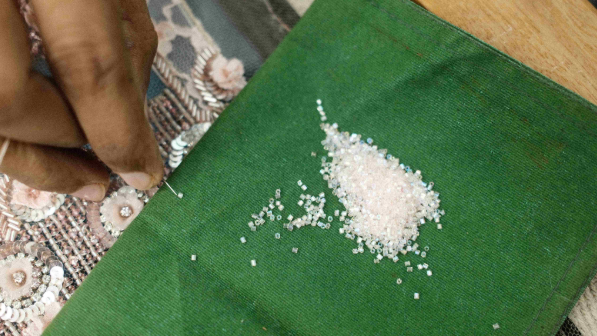
To understand why 2026 mattered, you have to understand where this craft comes from. India has produced some of the world’s most extraordinary textile traditions, each rooted in a specific region, community, and way of life. The depth and diversity of that heritage is unlike anything else in the history of fashion.
The indian embroidery techniques that define the craft today have been passed through generations for hundreds of years. Chain stitch embroidery from Gujarat was so precise that it was sought by the Mughal court in the 16th century and traded to Europe through the East India Company. Zardozi, rooted in the Persian tradition of gold and silver threadwork, flourished under Mughal patronage and became the embroidery of royalty and ceremony. Aari, the hooked needle technique that creates a continuous chain stitch of extraordinary precision, originated in the Mochi community and spread across Kashmir, Rajasthan, and Lucknow. Kantha from Bengal transformed worn cloth into art through layered running stitch.
These were never simply decorative traditions. They were cultural languages. Each stitch carried the knowledge of the community that made it, the region it came from, and the generations of artisans who had perfected it. That depth is what separates Indian embroidery from every other textile tradition in the world.
2026: The Year the World Paid Attention
It was not one moment. It was many, arriving in quick succession across the year’s most watched stages.
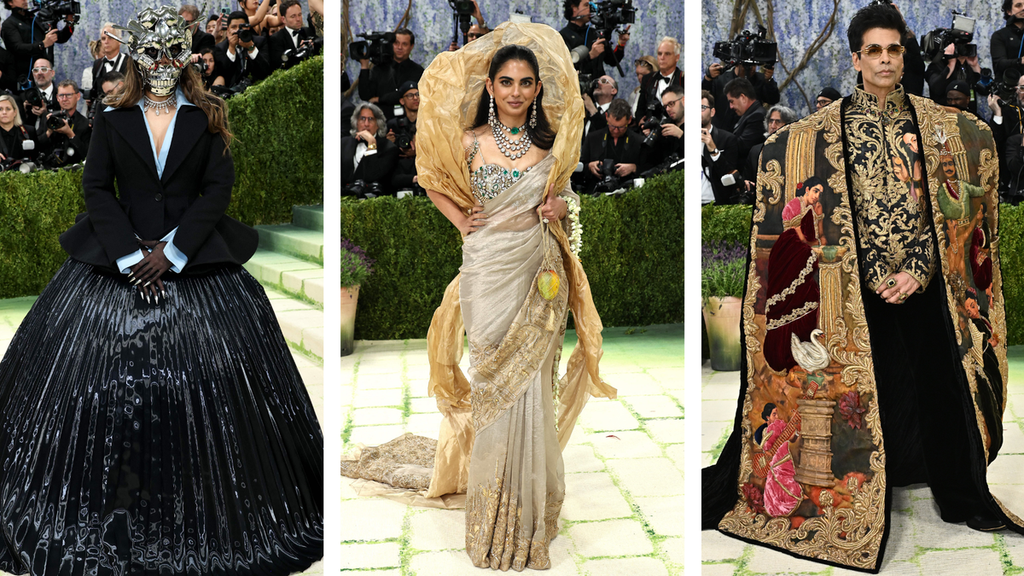
- The Met Gala – the carpet beneath fashion’s most photographed night was made in India for the fourth consecutive year. Above it, Isha Ambani wore a saree that took over 1,200 hours to complete. Manish Malhotra wore a cape embroidered with his artisans’ names.
- Cannes Film Festival – Indian embroidery appeared across some of the most photographed looks of the festival, confirming the craft had moved well beyond occasion wear into the language of global red carpet dressing.
- Valentino and Dior – both houses have long sourced their embroidery from Indian ateliers. In 2026, that relationship became part of the public conversation rather than an industry footnote.
- India Couture Week 2026 – designers like Rohit Bal, Rahul Mishra and Anamika Khanna placed the artisan at the centre of their collections, with Harper’s Bazaar describing it as a season where Indian couture stopped preserving tradition and started redefining it.
- Boston University’s “Labor of Luxury” exhibition – a landmark show in the US that placed Indian embroidery at the centre of global fashion history, featuring pieces by Vera Wang, Oscar de la Renta and Dries Van Noten, all made with Indian craft.
Why the World Keeps Coming Back to Indian Craft
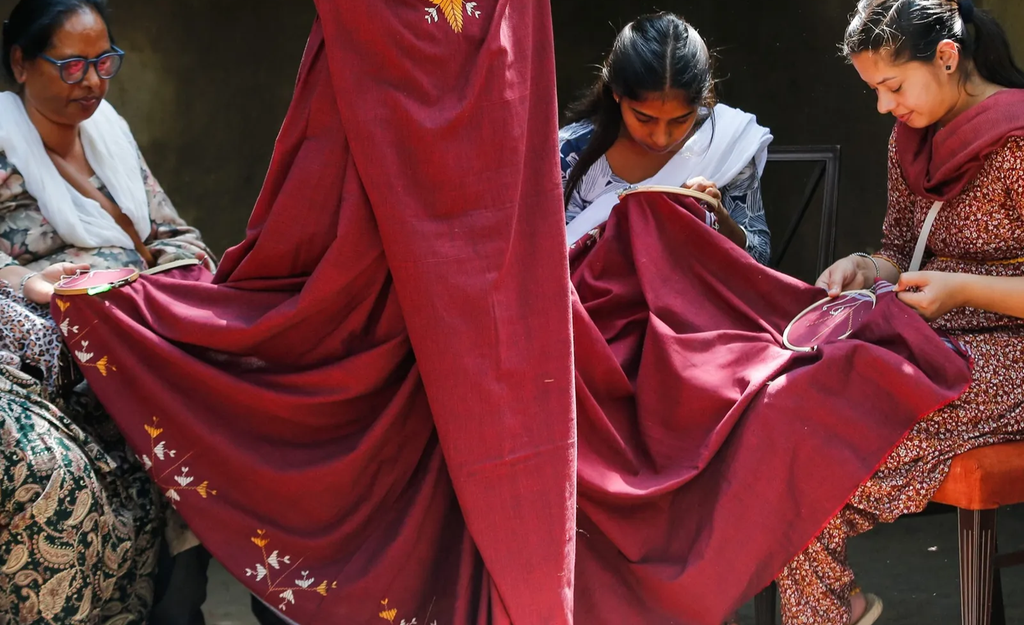
Indian embroidery is not a trend. It is a tradition with the depth, the precision, and the cultural weight to outlast any trend cycle. The techniques that appeared on the 2026 Met Gala red carpet are the same techniques that decorated Mughal court garments four hundred years ago. The artisans who embroidered Manish Malhotra’s cape trained within family lineages that stretch back generations.
What 2026 did was make the invisible visible. It gave names and faces to the hands behind the work. It put craft at the centre of the conversation rather than treating it as a footnote to the celebrity wearing it. The indian designer community, the india arts and culture establishment, and the global fashion press all arrived at the same conclusion simultaneously: Indian embroidery is not one of the world’s great craft traditions. It is the world’s most extraordinary living craft tradition.
Blooming Orchid’s Place in This Story
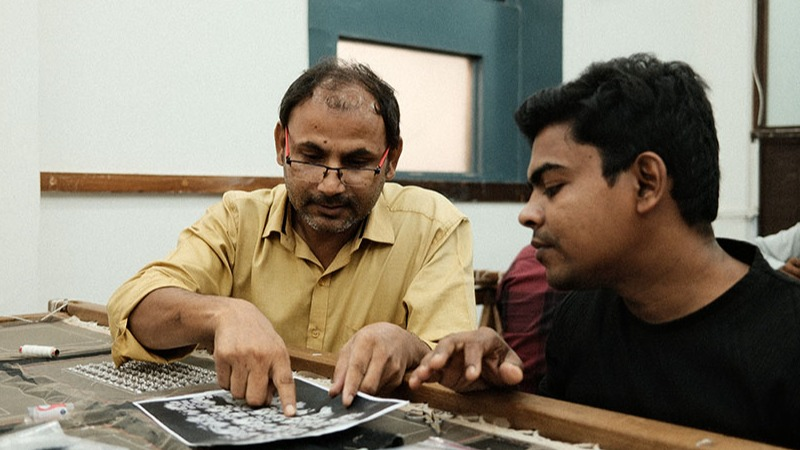
Blooming Orchid is not an observer of this story. It is a participant. The Mumbai family studio at the heart of every Blooming Orchid piece is part of the same craft world that defined 2026. The same indian embroidery techniques that graced the Met Gala, that were celebrated at India Couture Week, and that the Victoria and Albert Museum has collected for centuries are the techniques behind every hand-embroidered shawl and cape that leaves the Blooming Orchid studio.
When you wear a Blooming Orchid piece, you are not wearing a product inspired by this tradition. You are wearing the tradition itself.
Frequently Asked Questions
What is Indian embroidery?
Indian embroidery refers to a broad family of hand-stitched textile traditions originating across the Indian subcontinent, including zardozi, aari, kantha, chikankari, phulkari, and mirror work, among others. Each has its own regional roots, distinct indian embroidery techniques, and cultural significance. What they share is that every stitch is placed by hand, by artisans who have typically trained for years, often within family lineages that span generations.
Who are the leading Indian designers working with embroidery in 2026?
The indian designer community working with embroidery in indian couture 2026 includes Manish Malhotra, Rahul Mishra, Anamika Khanna, Rohit Bal, Gaurav Gupta, Tarun Tahiliani, and Jayanti Reddy, among many others. Each brings a distinct perspective to Indian craft, from Malhotra’s artisan-centred approach to Mishra’s sculptural ektaarka technique to Khanna’s living archive of regional textiles.
Why is Indian embroidery considered couture?
The highest standard of couture fashion is defined by hand-making, singular craftsmanship, and an extraordinary investment of time and skill. Indian embroidery meets and often exceeds every one of those standards. A single piece can take hundreds of hours to complete, require dozens of artisans, and involve techniques that took years to master. The world’s most prestigious couture houses source Indian embroidery precisely because nothing produced at scale can replicate it.
Conclusion
Indian embroidery has always been the world’s most extraordinary craft. 2026 simply gave it the stage it deserved. And for those paying attention, it was never a surprise. It was an inevitability.
Read Our Story to learn more about the Mumbai studio behind every Blooming Orchid piece, or explore The Collector’s Edition to see the craft for yourself.