
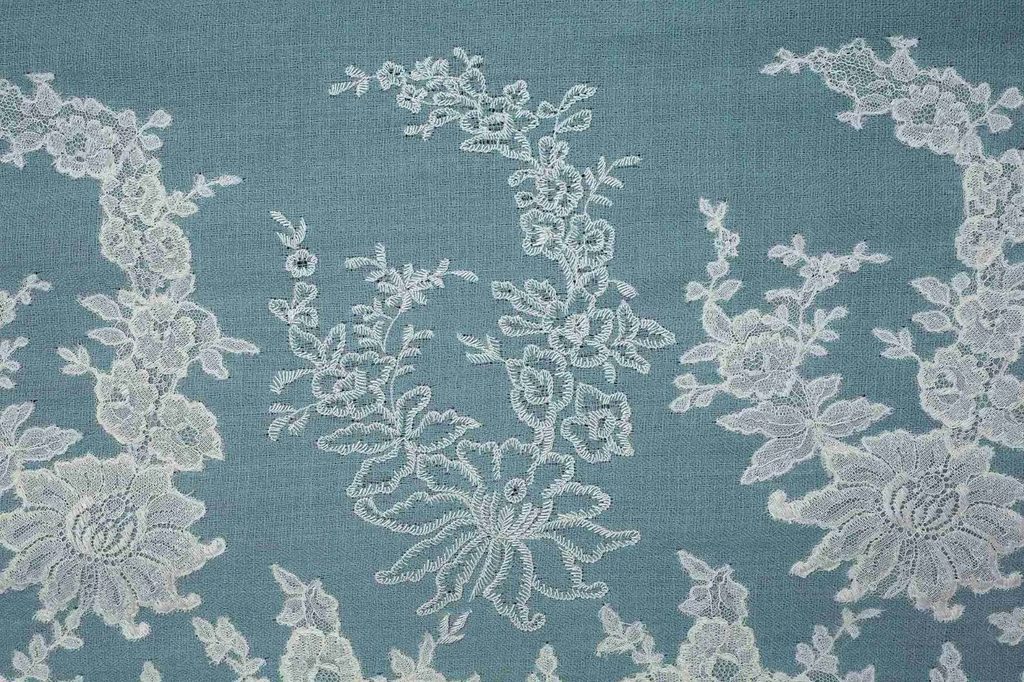
What is cashmere material, exactly? It is the fine, soft undercoat combed from cashmere goats, known for being exceptionally lightweight, warm, and soft against the skin. It is also one of the most delicate natural fibres in the world, which is why knowing how to care for your cashmere shawl properly makes all the difference between a piece that lasts a season and one that lasts a lifetime.
The good news is that cashmere care comes down to a few consistent habits, and the cashmere shawl tips in this guide cover every one of them: cleaning, stains, pilling, and storage.
How to Clean Your Cashmere Shawl
If you have been searching for how to clean cashmere at home, here is the honest answer: don’t. Cashmere is an extraordinarily delicate fibre and home cleaning, however careful, carries real risks. Heat, agitation, and even water can cause irreversible shrinkage, stretching, or permanent damage to the fabric.
At Blooming Orchid, we recommend dry cleaning for all cashmere shawls. Professional dry cleaners have the right solvents, equipment, and expertise to clean cashmere safely and effectively without compromising its softness, shape, or longevity. It is not an added expense, it is an investment in the life of the piece.

When you take your shawl in, always let the dry cleaner know it is cashmere. A good professional will treat it with the care it deserves. This single habit , cleaning it the right way rather than improvising at home , is one of the most important things you can do to extend the life of your shawl.
Why Dry Cleaning Works Better for Cashmere
It uses no water
Water is one of the biggest risks to cashmere. Even a small amount of moisture at the wrong temperature can cause fibres to shrink or felt permanently. Dry cleaning uses chemical solvents that clean the fabric without exposing it to water at all.
It preserves the shape
Dry cleaning does not put the fabric through agitation or spin. The shawl maintains its structure, its drape, and its original shape throughout the entire process, something home washing cannot guarantee.
It treats the fabric evenly
A professional dry cleaner applies cleaning agents uniformly across the entire piece, avoiding the watermarks, tide lines, and uneven cleaning that can result from spot treatment or home washing.
It extends the life of the fibre
Repeated home washing, even gentle hand washing, gradually weakens cashmere fibres over time. Professional dry cleaning is significantly gentler on the fabric at the microscopic level, which is why a dry-cleaned cashmere shawl simply lasts longer.
What to Do When Your Cashmere Shawl Gets Stained
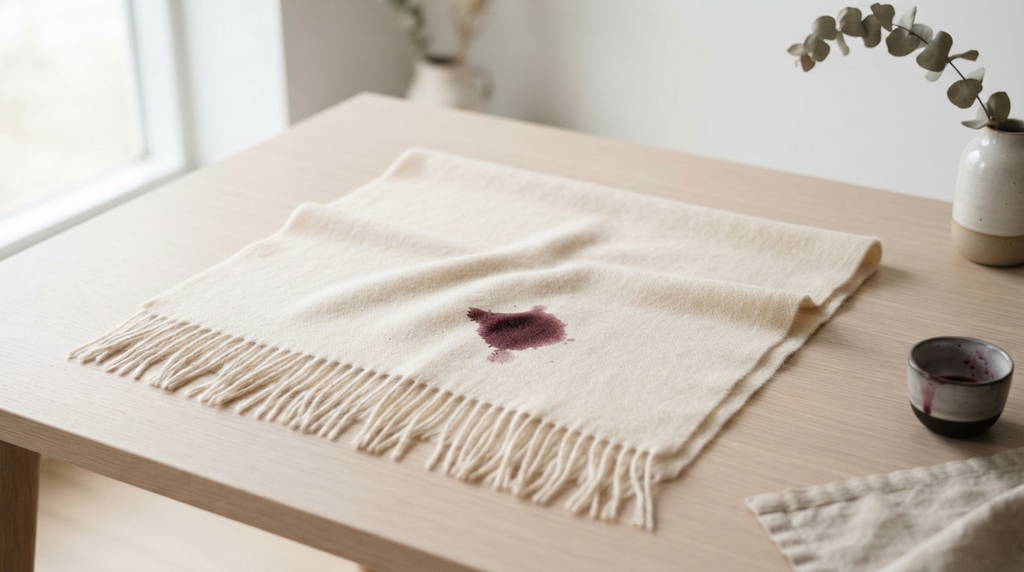
Stains happen. The worst thing you can do is reach for water or try to treat it at home. This pushes the stain deeper into the delicate fibres and can make it significantly harder, sometimes impossible, for a professional to remove. Here is what to do instead.
Step 1: Act fast but stay calm
Gently blot the stained area with a clean dry cloth to lift any surface residue. Work from the outside of the stain inward. Never rub or scrub , this spreads the stain and damages the fibres.
Step 2: Do not apply water or any cleaning products
Home remedies, stain removers, and even plain water are too harsh for cashmere. Water can leave a permanent watermark on delicate fabric if not handled by a professional. Resist the urge to treat it yourself no matter how tempting it feels.
Step 3: Take it to a trusted dry cleaner as soon as possible
The sooner a stain is treated professionally, the better the result. Let the dry cleaner know the fabric is cashmere, what caused the stain, and how long ago it happened. At Blooming Orchid, we always recommend dry cleaning for all our pieces. When in doubt, leave it to the professionals.
Pilling: What It Is and How to Deal With It
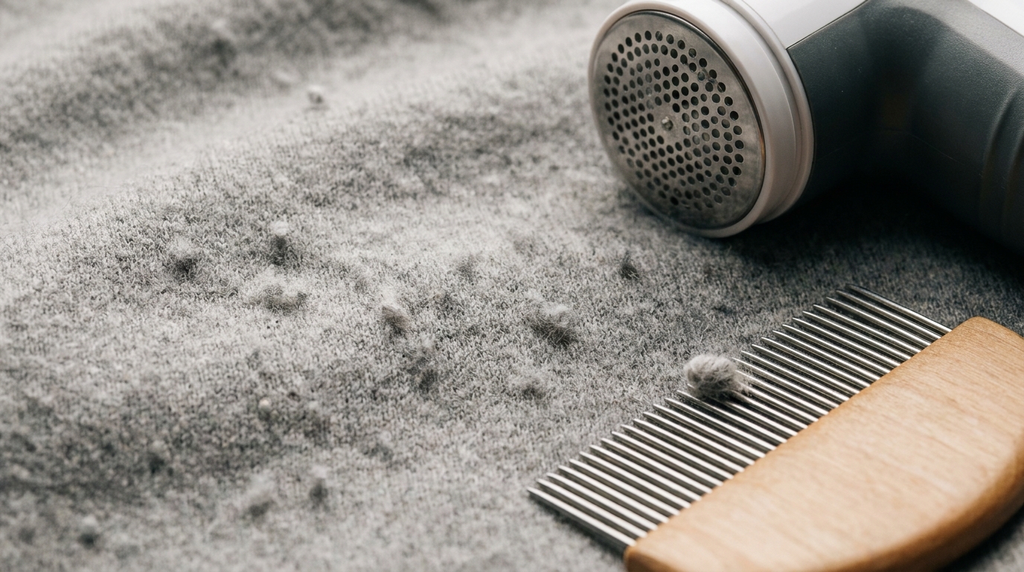
Pilling is one of the most common concerns with cashmere and one of the most misunderstood. It is not a sign of poor quality. It is a natural result of friction between loose fibres during wear. Good cashmere pilling prevention is mostly about how you wear and maintain the shawl.
Step 1: Avoid friction during wear
Rough textures, sharp jewellery, structured bag straps, and seat belts all cause friction against the fibres. Being mindful of these during wear significantly reduces pilling before it starts.
Step 2: Use a cashmere comb when pills appear
Lay the shawl flat on a clean surface. Using a cashmere comb or soft fabric shaver, make short, light strokes in a single direction across the surface. Never press hard or move against the grain of the fabric.
Step 3: Comb regularly even before pills appear
Light regular combing removes loose fibres before they bond into pills. Think of it as maintenance rather than treatment. A quick pass every few wears keeps the surface consistently smooth and extends the life of the fabric.
How to Store Your Cashmere Shawl
Storing cashmere correctly is the part of how to care for your cashmere shawl that most people overlook. Done right, it protects the fabric between seasons and extends its life significantly.
Step 1: Always fold, never hang
Even between wears, folding is always better than hanging. A hanger creates pressure at the shoulder line that slowly distorts the shape of the fabric over time. Fold neatly and lay flat.
Step 2: Dry clean before long-term storage
Always make sure your shawl is professionally dry cleaned before putting it away for the season. Moths are attracted to natural fibres, especially those with traces of body oils or perfume. A clean shawl is far less attractive to pests.
Step 3: Use your Blooming Orchid dust bag
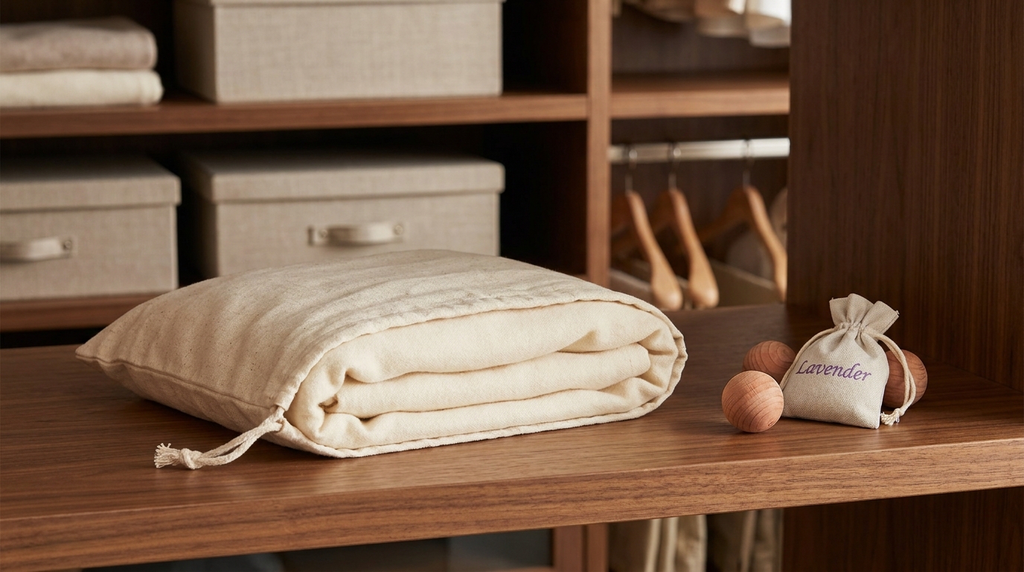
Every Blooming Orchid piece comes with its own dust bag, designed specifically to protect your shawl during storage. The breathable fabric allows air circulation while keeping dust, light, and pests out. It is the simplest and most effective storage solution for your piece.
Step 4: Add cedar or lavender
Place cedar wood balls or dried lavender alongside the folded shawl inside the dust bag. These are natural moth deterrents that protect the fabric without chemicals. Replace cedar every six to twelve months as the scent fades.
Step 5: Store away from light and damp
Sunlight fades colour gradually even through storage. Damp environments encourage mildew. A dark, dry drawer or shelf is the ideal long-term home for your cashmere shawl.
Everyday Cashmere Shawl Tips
A few small habits make a lasting difference. These are the cashmere shawl tips we share with every Blooming Orchid client.
Air it out after wearing. Lay the shawl flat for a few hours so any moisture and scent can lift naturally before you fold it away.
Give it a day of rest. Cashmere fibres recover their shape between wears, so avoid wearing the same shawl several days in a row.
Perfume first, shawl second. Apply fragrance and lotion before you drape your shawl, and let them settle so oils never reach the fibres.
Watch for snags. Remove rings and bracelets with raised settings before adjusting your shawl, as they can catch and pull delicate threads.
If it gets caught in the rain, gently blot it with a clean towel and lay it flat to dry, away from radiators and direct sunlight. Never wring it out.
Frequently Asked Questions
How long does a cashmere shawl last?
With proper care, a high quality cashmere shawl can last decades. How long cashmere lasts depends largely on how it is stored, maintained, and cleaned. Pieces that are dry cleaned regularly and stored correctly tend to get softer and more beautiful with age. A well-cared-for cashmere shawl is genuinely a lifetime investment.
Can you spot clean a cashmere shawl at home?
We do not recommend it. Even gentle home spot cleaning carries real risks for cashmere, including watermarks, fibre damage, and colour distortion. The safest approach is always to take it to a professional dry cleaner as soon as possible after a stain occurs and let them treat it correctly.
How often should you dry clean a cashmere shawl?
A good rule of thumb is to dry clean your cashmere shawl at the end of each season before storing it, or sooner if there is a visible stain. Unless there is a specific reason to clean it more frequently, once per season is sufficient for most wearers.
What is cashmere material and why is it so delicate?
Cashmere material comes from the fine undercoat of cashmere goats, combed by hand during the spring moulting season. Each fibre is significantly finer than standard wool, which gives cashmere its distinctive softness and warmth. That same fineness makes it sensitive to heat, agitation, and friction, which is why professional cleaning is always the right choice over home washing.
Conclusion
A cashmere shawl cared for well does not just survive the years. It improves with them. The fibres soften further, the drape becomes more fluid, and it develops the kind of quiet beauty that only comes from something genuinely well made and genuinely well kept.
At Blooming Orchid, every piece comes with a dust bag and our care recommendation is simple: when in doubt, leave it to the professionals. Explore the Collector’s Edition and the The Evening Edit to find your piece.